
Roots
Udaipur
Where business, community and place first became part of the same conversation.
Udaipur · Cardiff · Northern British Columbia
My work has moved across entrepreneurship, education, agriculture, investment and economic development. Different sectors, but often the same question: how do we turn local potential into something tangible?
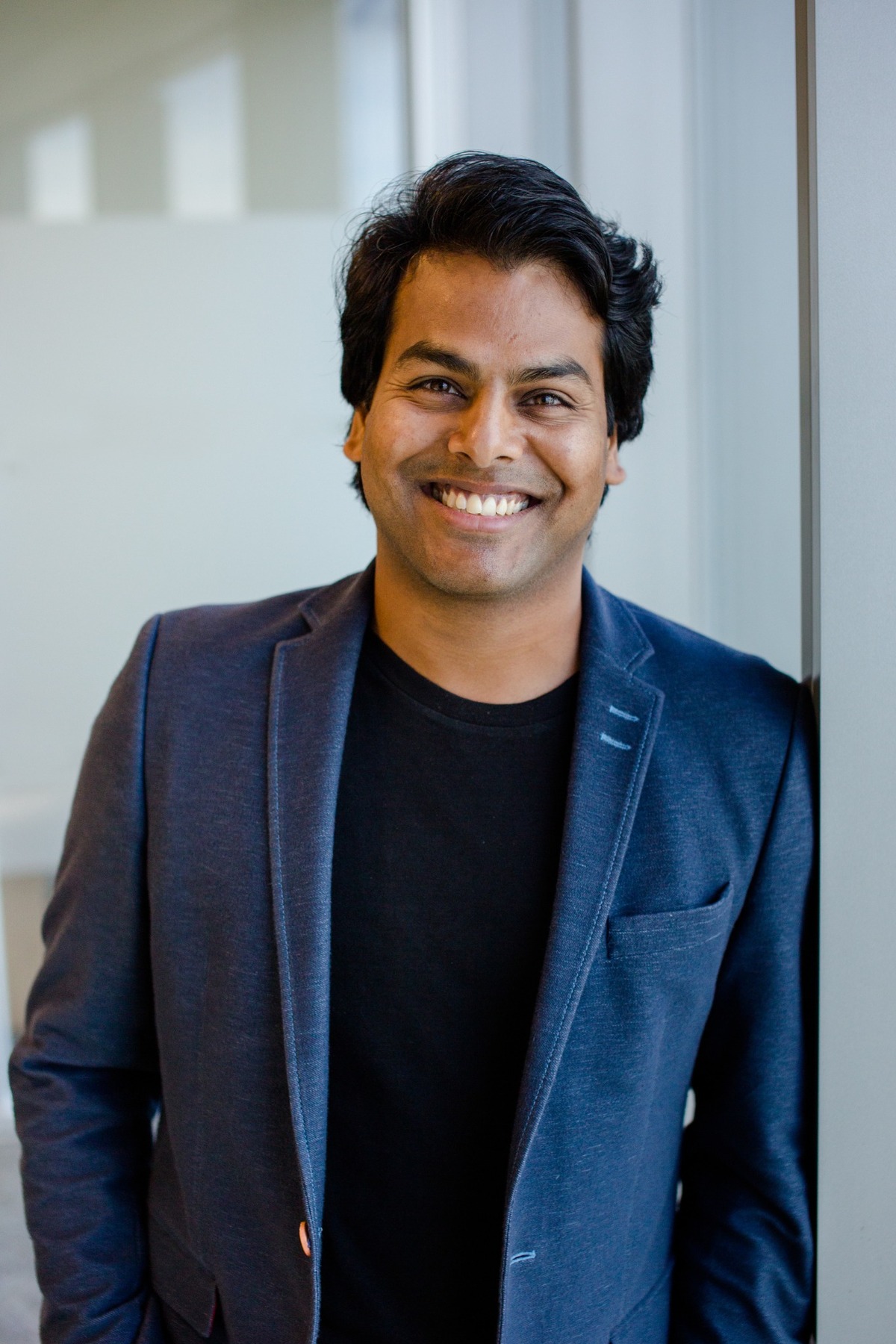
Where business, community and place first became part of the same conversation.

Living and studying in Wales widened the view from local business to international possibility.

Where partnerships, youth opportunity and regional development became the work.
I grew up in Udaipur and studied business there before moving to Cardiff for my MBA. Wales was my first sustained experience living outside India. It widened the lens, but it also sharpened a question that has stayed with me: what is worth building when you come home?
Building in India
I returned to India to build, not simply to begin a career.
Caravan O Herbs grew from an interest in agriculture, supply chains and the people behind them. The work took me closer to growers, processing, rural communities and the realities hidden behind products that eventually travel across borders.
That period made something clear: entrepreneurship is never only about a company. It is also about relationships, livelihoods, infrastructure, trust and whether an idea actually improves something on the ground.

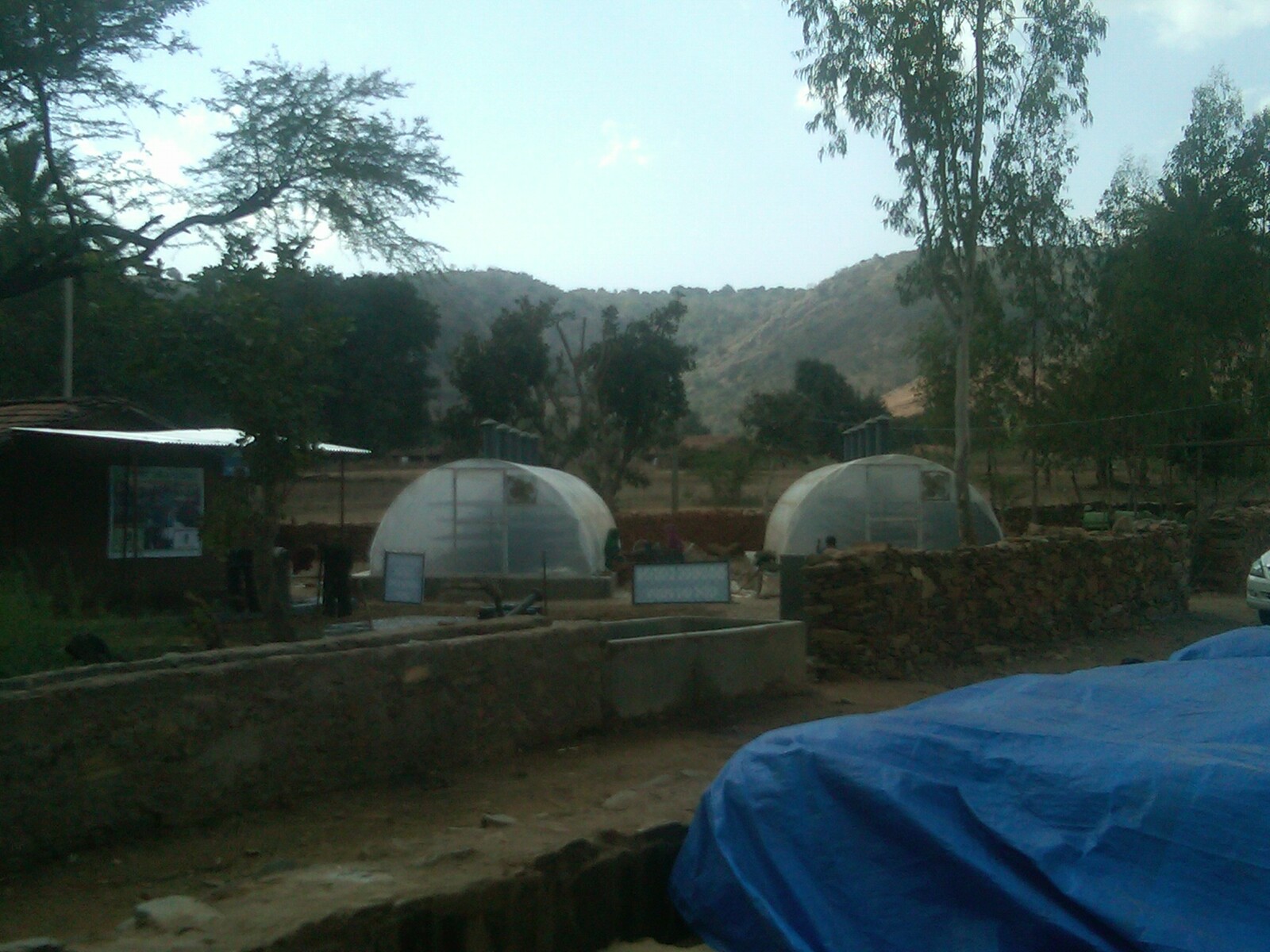
Building in the North
Moving to Northern British Columbia changed the geography, but not the instinct to connect people around practical opportunity.
My work at UNBC and School District 91 moved through research, partnerships, education, technology and youth entrepreneurship. The most meaningful pieces were rarely owned by one institution. They happened when universities, schools, businesses, governments, communities and mentors were willing to build something together.
That same approach later shaped team leadership in youth entrepreneurship across Northern B.C., across Northern B.C. and Yukon, and continues today in regional economic development.
From iCubed to YELL North, creating opportunities for young people in rural and northern communities to meet founders, mentors and real-world possibilities.
Connecting education, post-secondary, business, government and community partners around shared projects instead of parallel efforts.
Supporting post-secondary and career-linked pathways, including dual-credit opportunities and programs that helped students see more routes forward.
Programs and partnerships that widened access to technology, entrepreneurship, mentorship, robotics, flight simulation and other forms of experiential learning.
Today the same instinct shows up in regional economic development: understand the place, listen for what is missing, connect the right people and keep the idea moving until it becomes useful.
Ideas I keep returning to
These are not separate “areas of expertise” so much as recurring questions that keep showing up across the work.
Youth retention, skills, belonging and opportunity are economic-development infrastructure.
Both operate under constraints. Both depend on trust, resourcefulness and people willing to build.
Land, research, climate, infrastructure and markets become more interesting when viewed together.
International connections matter most when they create real pathways for people, investment and trade.
The work underneath the story
I prefer the story to lead and the titles to sit underneath it. These are a few of the organizations and roles that provide the evidence behind the themes above.
Entrepreneurship has remained a constant thread, from agriculture in India to technology, investment and founder support in Canada.
Board and advisory service has offered another way to contribute, particularly around community, entrepreneurship and inclusion.
Work across research, education and municipal economic development has kept the focus on practical pathways for smaller and northern communities.
Speaking + media
I have been invited into conversations across B.C. about entrepreneurship, rural economies, youth opportunity, technology and community development.
Perspectives on the Future · “40 Under 40s” Focus Forward
School District 91, community economic development and youth entrepreneurship
Rural entrepreneurship and youth opportunity
Prince George Chamber Top 40 Under 40
Entrepreneur profile: Udaipur, Cardiff and Northern B.C.
Selected interviews, talks and coverage from across the years
“Most of the work I find interesting happens between sectors, where nobody quite owns the problem yet.”
A recurring theme in the work
Connect
I am interested in thoughtful conversations around rural and regional economic development, entrepreneurship, agriculture, investment, founder mentorship, youth opportunity and partnerships connecting Canada and India.